

Conversion Rate Optimization in Digital Marketing helps businesses turn website visitors into meaningful actions like purchases, sign-ups, or downloads. By using data-driven strategies, A/B testing, and personalized experiences, CRO maximizes engagement and ROI. Continuous optimization ensures websites stay effective, user-friendly, and aligned with evolving consumer behaviors.
Understanding Conversion Rate Optimization
What is CRO?
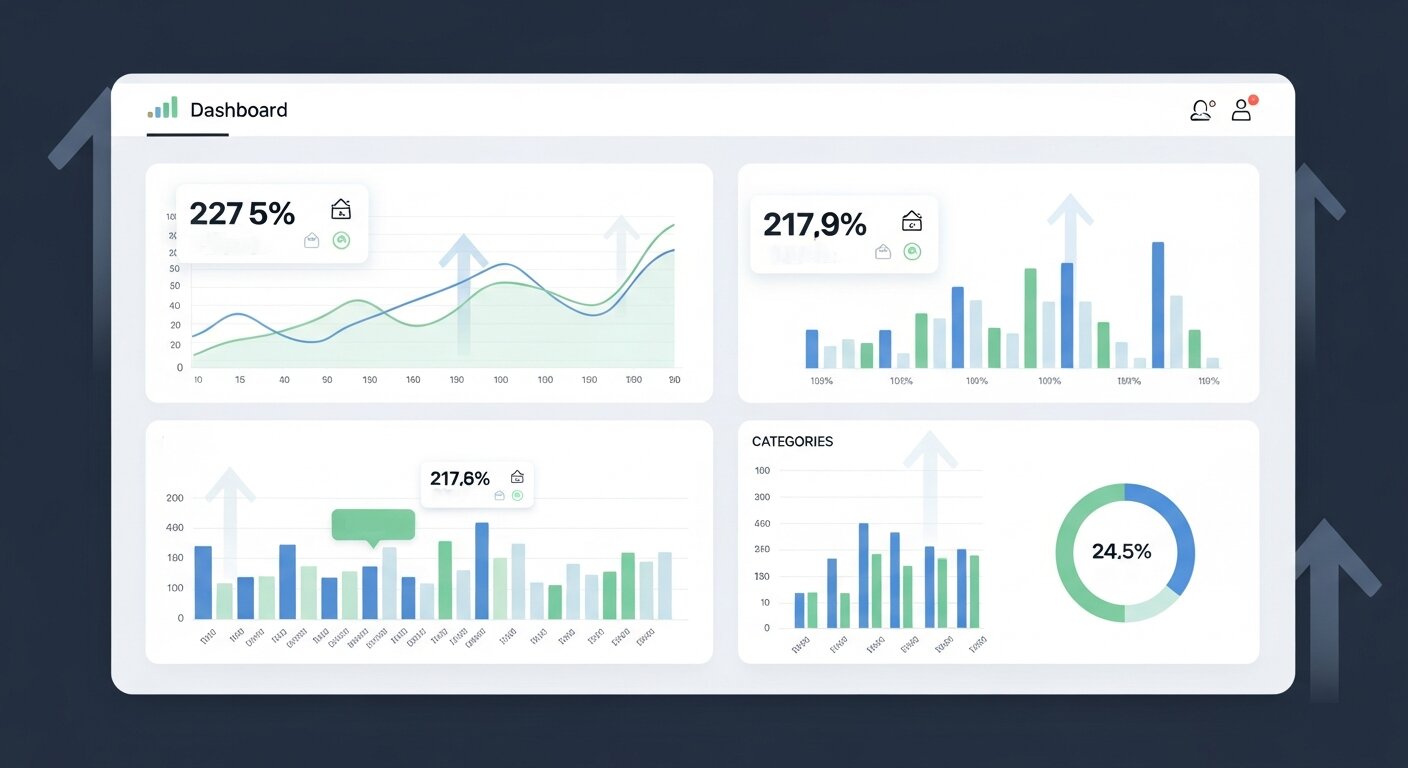
In essence, Conversion Rate Optimization (CRO) is the practice of improving a website or app to encourage visitors to take specific, desired actions. These actions can vary depending on the goals of your business—anything from completing a contact form, signing up for a newsletter, downloading a resource, or making a purchase. The focus of CRO is on understanding what drives user behavior and strategically designing your digital platforms to guide visitors toward those actions. It’s about making your website or app more intuitive, persuasive, and user-friendly, so that every element—from page layout and content to forms and buttons—works cohesively to increase engagement.
To put it into perspective, imagine 1,000 people visit your website, but only 2 of them make a purchase. That equates to a conversion rate of just 0.2%. With a thoughtful approach to CRO, even small changes—like adjusting the placement of a call-to-action, simplifying a form, or improving page load speed—can dramatically increase that rate, sometimes doubling or tripling conversions, all without the need to increase your traffic. Essentially, CRO allows your existing visitors to become more valuable by guiding them more effectively through their journey.
Why does CRO matter in digital marketing?

Simply attracting visitors to your website isn’t enough to achieve real business growth. You might have a large social media following or run highly effective advertising campaigns, but if visitors leave without engaging, signing up, or purchasing, your efforts won’t translate into measurable results. This is where CRO becomes crucial—it transforms traffic into tangible outcomes.
CRO focuses on the entire user journey, ensuring that visitors can navigate your site effortlessly, understand your value proposition clearly, and feel confident taking the next step. It’s not just about improving design or aesthetics; it’s about aligning your website with user expectations, reducing friction, and optimizing every touchpoint to drive action. In this sense, a high volume of traffic without conversion is like filling a bucket with a hole in it: the effort might look impressive, but the results are limited. By implementing a solid conversion strategy, businesses can maximize the impact of every visitor and make marketing efforts far more efficient and cost-effective.
The Aims of CRO in Digital Marketing
Raise Sales
Increasing conversion rates affects your bottom-line directly, making CRO a wise investment that are for ecommerce stores, SaaS company or any business with an online presence.
Improve the User Experience
CRO often involves improving the usability, navigation and accessibility of websites. Happier users are more likely to convert.
Maximize Return on Investment
Generating traffic is expensive in terms of both time and money. CRO ensures you’re making the most of every visitor’s potential and effectively extends your marketing budget further still.
Make It Fit the Business Objectives
Effective in the sense of lead generation, sales forms also penetrate, if its optimize for Conversions then this is certain to bring success in a sustainable way according to Daiop.
Build Customer Trust
A seamless user experience which is intuitive creates trust. Customers will then feel confident in interacting with and returning to your website.
Key Elements of a Successful CRO Strategy

Data and Analytics
CRO starts by understanding visitor behavior. What pages are they lingering on? Where are they bouncing off? Fancy tools like Google Analytics give really fab insights. For deeper insights into analyzing visitor behavior, see what can help analyze Conversion Rate Optimization.
Clear Call-to-Actions (CTAs)
A good CTA can be the difference between getting a conversion and losing one. Use compelling verbs with paragraph headings that make it clear what’s going on (for example: “Sign up now”, “Get started for free”).
A/B Testing
Don’t leave a chance to luck. Test different versions of headlines, images, or layouts to see what resonates best with your audience.
Mobile Optimization
The majority of traffic comes from mobile devices. CRO must ensure the mobile experience is seamless. For more detailed strategies, visit how to improve your mobile conversion rate.
Trust Signals
Badges, customer reviews, case studies, and social proof all encourage trust. They also help in alleviating concerns during the decision-making process.
Tools and Techniques for Effective CRO
- Google Optimize: Excellent for A/B testing and web personalization based on the behavior of your audience.
- Hotjar: Reveals user pain points with heatmaps and session recordings.
- Crazy Egg: Shows where visitors click, scroll or drop off from your website.
- Optimizely and VWO: Advanced tools focused on large-scale enterprise experimentation and optimization.
- HubSpot: A comprehensive package for lead generation, CRM integration and conversion optimization.
To get good results, make sure you combine these tools with methods like split testing, customer surveys and continuous iterative improvements.
Measuring and Analyzing CRO Performance
Key Metrics to Track
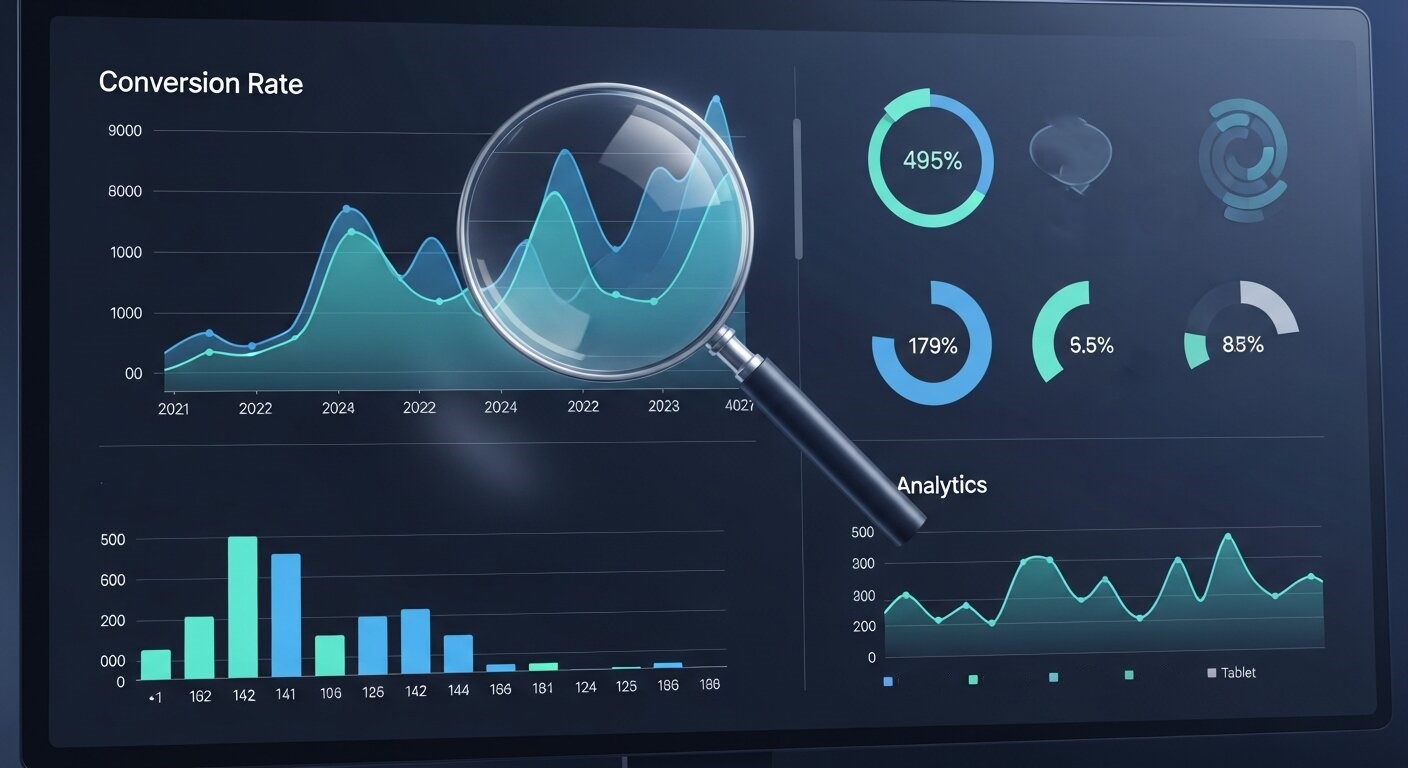
- Conversion Rate (obviously!)
- Bounce Rate
- Average Session Duration
- Pages per Session
- Cart Abortion Rate (for e-commerce)
- Cost Per Conversion
If, for example, your goal is sign-ups, ensure your analytics setup tracks form completions and user flows.
The Importance of Continuous Monitoring
CRO is something you do continuously. Changing consumer behavior and preferences, the entry of new competitors to the market, and technological advancements all mean regularly reviewing and enhancing your CRO strategies in light of changes.
Case Studies of Successful CRO Implementations
Case Study 1
One online retailer saw high cart abandonment rates. After they added trust badges and simplified the checkout process, conversions increased 27%.
Case Study 2
A SaaS company altered their CTAs to up sign-ups. Changing “Start your free trial” into “Sign up in under 60 seconds” boosted conversion rates by 15%.
Case Study 3
A blog was giving away lead magnets and saw low participation. By adding A/B-testing pop-up forms with personalized copy, they got 200% more leads in just one calendar quarter.
Common Mistakes to Avoid in CRO
- Ignoring Data: Change things based on guesses instead of data and you waste your time.
- Overcomplicating the Process: Too many form fields, or an excessive number of steps in the checkout process, will drive your users away.
- Failing to Test: Without A/B tests, you can never know what actually works.
- Forgetting Mobile Users: If your site isn’t working well on smaller screens, you’re losing conversions.
- Poor Copywriting: Fuzzy messaging, overly technical jargon, or lame CTAs all detract from your CRO.
The Future of CRO in Digital Marketing
The future of Conversion Rate Optimization in digital marketing is being shaped dramatically by advancements in AI and machine learning. These technologies allow marketers to move beyond traditional, manual methods of analysis and optimization, giving them the ability to focus more on strategic decision-making rather than routine data crunching. Predictive analytics, for instance, can anticipate user behavior, helping businesses show the right content, offers, or recommendations to the right audience at the right time. Similarly, intelligent personalization can dynamically adjust website experiences based on visitor preferences, previous interactions, or demographic information, creating a highly relevant journey that encourages conversions naturally.
Automation is also becoming central to CRO, with tools capable of running tests, analyzing results, and implementing improvements without constant human oversight. This not only speeds up the optimization process but also reduces the risk of error, allowing businesses to respond to changes in user behavior quickly.
Looking ahead, there will be a stronger emphasis on emerging technologies and evolving user expectations. Voice search optimization, for example, will become increasingly important as more users interact with digital platforms through smart devices, demanding concise, actionable, and contextually relevant experiences. At the same time, accessibility improvements will play a critical role, ensuring that all users—including those with disabilities—can navigate and interact with websites easily.
The future of Conversion Rate Optimization in digital marketing is being shaped dramatically by advancements in AI and machine learning. These technologies allow marketers to move beyond traditional, manual methods of analysis and optimization. For insights on emerging tech trends, check out AI and machine learning in CRO.
Optimization For Conversions
Conversion Rate Optimization is not a one-time task—it is an ongoing process that requires constant attention, testing, and refinement. Businesses that embrace CRO as a continuous strategy focus on understanding visitor behavior, identifying pain points, and making data-driven improvements that enhance the overall user experience. For strategies to enhance your marketing efforts, see mastering your digital marketing strategy.
The benefits of this approach extend beyond improved conversions. A well-optimized site provides a better overall experience, which builds trust, encourages repeat visits, and strengthens brand credibility. At the same time, ongoing optimization maximizes ROI by making the most of existing traffic, reducing wasted marketing spend, and improving operational efficiency without the need for extensive additional resources. In the rapidly evolving digital landscape, staying ahead means not only reacting to current trends but also anticipating shifts in user behavior and technology. Businesses that integrate CRO into their long-term strategy are better positioned to adapt, grow sustainably, and flourish in competitive markets.
In the broader context of digital marketing, CRO is essentially a form of optimization that ensures every visitor interaction is meaningful. But how do you know when it’s the right time to invest in these efforts? The answer lies in continuously testing your strategies, tracking measurable results, and reviewing performance regularly. By making CRO a central part of your digital strategy, you transform your website from a static platform into a dynamic tool that actively drives business growth.
Do you want to streamline your conversion strategy?
Then sign up for our newsletter, and each month get great tips edited by seasoned CRO experts. Another option is to talk with our team about tailoring a more personal solution.
Frequently Asked Questions (FAQ)
What is Conversion Rate Optimization in Digital Marketing?
Conversion Rate Optimization in Digital Marketing is the process of improving your website or app to encourage visitors to take desired actions—like making purchases, signing up for newsletters, or downloading resources. It involves data-driven testing, user experience improvements, and strategic adjustments to maximize measurable results from your traffic.
Why is Conversion Rate Optimization in Digital Marketing important?
Traffic alone does not guarantee business success. CRO ensures that the visitors you already have are more likely to take meaningful actions, which increases ROI, reduces acquisition costs, and improves overall business performance.
How can I start Conversion Rate Optimization in Digital Marketing for my website?
Start by analyzing your website data to identify underperforming pages and bottlenecks in the user journey. Use tools like Google Analytics, Hotjar, or Crazy Egg to gather insights. Implement A/B testing on key pages, optimize CTAs, improve usability, and continuously monitor results.
What metrics should I track for Conversion Rate Optimization in Digital Marketing?
Important metrics include conversion rate, bounce rate, average session duration, pages per session, cart abandonment rate, and cost per conversion. Tracking these helps measure the effectiveness of your CRO efforts.
Can CRO work for all types of businesses?
Yes. Whether you run an e-commerce store, SaaS platform, blog, or service-based business, Conversion Rate Optimization in Digital Marketing can increase user engagement, lead generation, and sales by making your digital platforms more effective.
How long does it take to see results from CRO?
While some changes, like simplifying a checkout process, can yield immediate improvements, a fully optimized strategy is ongoing. Most businesses start seeing measurable results within a few weeks, but long-term improvements compound over months of continuous testing and iteration.
How does mobile optimization affect Conversion Rate Optimization in Digital Marketing?
With the majority of website traffic coming from mobile devices, a seamless mobile experience is critical for CRO success. Conversion Rate Optimization in Digital Marketing ensures that your pages load quickly, navigation is intuitive, and forms are easy to complete on smartphones and tablets, preventing lost conversions due to poor mobile usability.
Can personalization improve Conversion Rate Optimization in Digital Marketing?
Yes. Personalized experiences, such as tailored product recommendations or dynamic content based on user behavior, significantly boost engagement and conversions. Conversion Rate Optimization in Digital Marketing leverages personalization to make visitors feel understood, increasing the likelihood that they will take action.
What role does A/B testing play in Conversion Rate Optimization in Digital Marketing?
A/B testing allows marketers to compare different versions of a webpage, CTA, or form to see which performs better. It is a core technique in Conversion Rate Optimization in Digital Marketing because it provides data-driven insights, helping businesses implement changes that genuinely improve conversion rates instead of relying on guesswork.
How does CRO complement other digital marketing efforts?
Conversion Rate Optimization in Digital Marketing doesn’t work in isolation. It enhances SEO, paid campaigns, email marketing, and social media efforts by ensuring that the traffic these channels generate actually converts. By aligning CRO with broader marketing strategies, businesses get maximum ROI from all their digital initiatives.